Demat Essentials For Managing Shares And Securities More Easily
Investing in shares and other securities requires a reliable way to hold and manage them. A dematerialised, or demat, account allows investors to hold securities electronically instead of keeping physical certificates. For investors who prefer digital account management, opening a Demat Account Online can make the account-opening process more convenient.
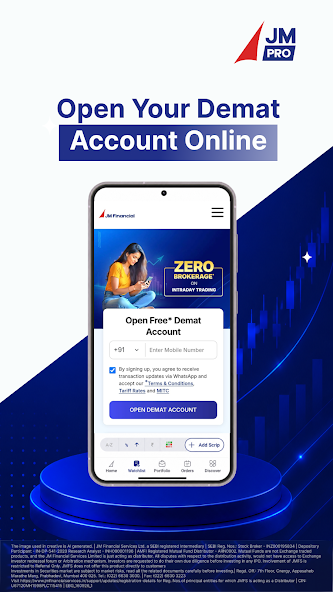
A Demat Account is used to hold eligible securities in electronic form. Depending on the services provided by the intermediary, investors can view their holdings, review transactions, receive information about corporate actions, and access account statements through online platforms.
Before opening a Demat Account Online, however, it is important to understand how the account works, what charges may apply, and how it differs from a trading account. Investors should also review security features and account requirements before choosing a service provider.
What Is a Demat Account?
A Demat Account is an electronic account used to hold securities such as shares and other eligible investments. It replaces the need for physical certificates and allows ownership records to be maintained electronically through the appropriate depository system.
What Can Be Held in a Demat Account?
Depending on the security and applicable arrangements, a demat account may hold:
- Equity shares
- Bonds
- Government securities
- Exchange-traded funds
- Certain mutual fund units
- Other eligible securities
The exact products available depend on the intermediary and applicable market infrastructure.
How a Demat Account Works
When an investor purchases securities through the market, the securities are credited to the linked demat account after the relevant transaction and settlement process is completed.
When securities are sold, the corresponding holdings are debited according to the transaction and settlement process.
Electronic Ownership Records
The main purpose of a demat account is to maintain electronic records of securities ownership. Investors can access their holdings through account statements and digital platforms provided by their intermediary.
This can make it easier to maintain investment records compared with managing physical certificates.
Opening a Demat Account Online
A Demat Account Online can generally be opened through a digital application process, subject to the provider's eligibility and verification requirements.
The application may require personal information, identity verification, bank details, and other documents or information specified by the intermediary.
Review the Requirements Before Applying
Before beginning the application, check:
- Eligibility conditions
- Required documentation
- Account opening charges
- Annual maintenance charges
- Brokerage and transaction costs
- Available investment services
- Customer support options
- Account closure or transfer procedures
Requirements and charges can vary between providers, so review the current terms before completing the application.
Understand Demat and Trading Accounts
One common source of confusion for new investors is the difference between a demat account and a trading account.
A demat account is primarily used to hold securities electronically. A trading account is used to place buy and sell orders in the market.
Why Both May Be Needed
For many types of share transactions, investors use a combination of trading and demat accounts. The trading account facilitates the transaction, while the demat account holds securities after settlement.
Some financial service providers offer both accounts as part of a single onboarding process, making them appear like one combined service.
Understanding the distinction can help investors interpret transaction records and charges more accurately.
Compare Demat Account Charges
Cost is an important consideration when choosing a provider. Investors should not assume that every demat account has the same fee structure.
Common Charges to Check
Depending on the provider and account type, charges may include:
- Account opening fees
- Annual maintenance charges
- Brokerage
- Depository participant charges
- Transaction-related fees
- Account closure charges
- Applicable taxes and statutory charges
Some providers may offer certain services at no charge while applying fees to other activities. Read the complete pricing schedule before opening an account.
Check the Account Management Features
A useful digital platform should make routine account management straightforward.
Features Worth Reviewing
Depending on the provider, an online demat platform may offer:
- Holdings information
- Transaction history
- Account statements
- Contract notes
- Corporate action updates
- Tax-related reports
- Portfolio information
- Securities transfer facilities
- Notifications and alerts
Choose features according to your actual investment requirements rather than selecting a platform solely because it offers a large number of tools.
Keep Your Demat Account Secure
A demat account contains sensitive financial information. Protecting account access is therefore important.
Follow Basic Security Practices
Investors should:
- Use a strong and unique password
- Enable additional authentication where available
- Keep applications updated
- Avoid clicking unknown investment links
- Never share passwords or verification codes
- Review account notifications regularly
- Contact official support if suspicious activity is identified
Be cautious of individuals who request login information while claiming to provide investment assistance. Account credentials and verification codes should not be shared.
Monitor Your Holdings Regularly
After opening a Demat Account, review your holdings and transaction records periodically.
Regular checks can help identify unfamiliar transactions or discrepancies in account information.
Review Account Statements
Account statements can provide a detailed record of holdings and transactions. Keep copies of important statements, contract notes, and transaction confirmations.
These documents may be useful when reviewing investment activity, calculating capital gains, or preparing information for tax purposes.
Understand Corporate Actions
Companies can take corporate actions that affect shareholders. Depending on the situation, these may include dividends, bonus issues, stock splits, rights issues, or other events.
A demat platform may provide notifications about relevant corporate actions.
Pay Attention to Important Dates
Some corporate actions require investors to take action within a specific period, while others may be processed automatically if the investor is eligible.
Read official communications carefully and check the relevant terms before taking any action.
Transfer and Closure of Demat Accounts
Investors may eventually want to move their securities to another account or close an account they no longer use.
The process depends on the intermediary and the type of transfer involved.
Check Outstanding Charges
Before closing an account, review whether any charges, pending transactions, or other requirements need to be completed. Confirm that all securities have been transferred appropriately and retain the necessary records.
Understanding the account closure process in advance can make the transition easier.
Avoid Common Beginner Mistakes
New investors can make avoidable errors when they focus only on opening an account.
Common mistakes include:
- Ignoring annual maintenance charges
- Confusing a demat account with a trading account
- Failing to review transaction records
- Sharing login credentials
- Choosing a provider based only on advertised pricing
- Not keeping account statements
- Making investment decisions based on unverified tips
A demat account provides the infrastructure for holding securities, but it does not determine whether an investment is suitable or profitable.
Choose a Provider Based on Your Needs
The appropriate provider depends on how you plan to use your account. Someone who invests occasionally may have different requirements from an active trader.
Consider transaction costs, account maintenance charges, available investment products, platform reliability, customer support, security features, and record-keeping tools.
Review Terms Before Opening
Do not rush through the account-opening process. Read the pricing information, terms and conditions, privacy information, and other relevant documentation.
A clear understanding of these details can help you avoid unexpected charges or account-management issues later.
Conclusion
A Demat Account provides a convenient way to hold shares and other eligible securities electronically. For investors who prefer digital account management, a Demat Account Online can simplify the process of opening and accessing an investment account.
Before opening a Demat Account Online, compare account charges, transaction costs, available features, security measures, customer support, and investment services. Understanding the difference between a demat and trading account is also important for managing market transactions correctly.
Once the account is active, regularly review holdings, transaction records, statements, and corporate action information. A Demat Account is an important part of modern securities ownership, but investors should still conduct their own research and understand the risks associated with every investment. Careful account management can make it easier to keep shares and securities organized over the long term.